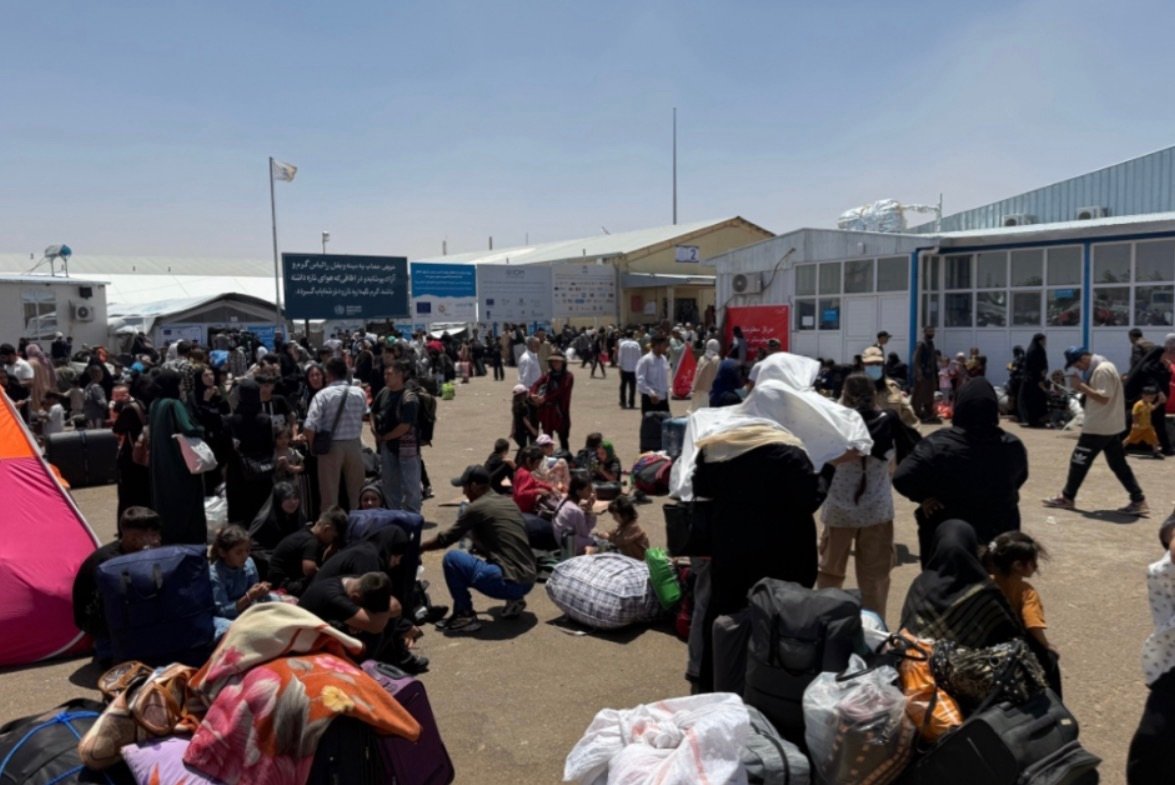
KABUL — More than 2,900 Afghan migrants, spanning over 535 families, were forced to return to Afghanistan from neighboring Pakistan and Iran, Taliban officials announced Sunday. The figures underscore a relentless, ongoing deportation campaign by neighboring states that is exacerbating an already catastrophic humanitarian crisis inside Afghanistan.
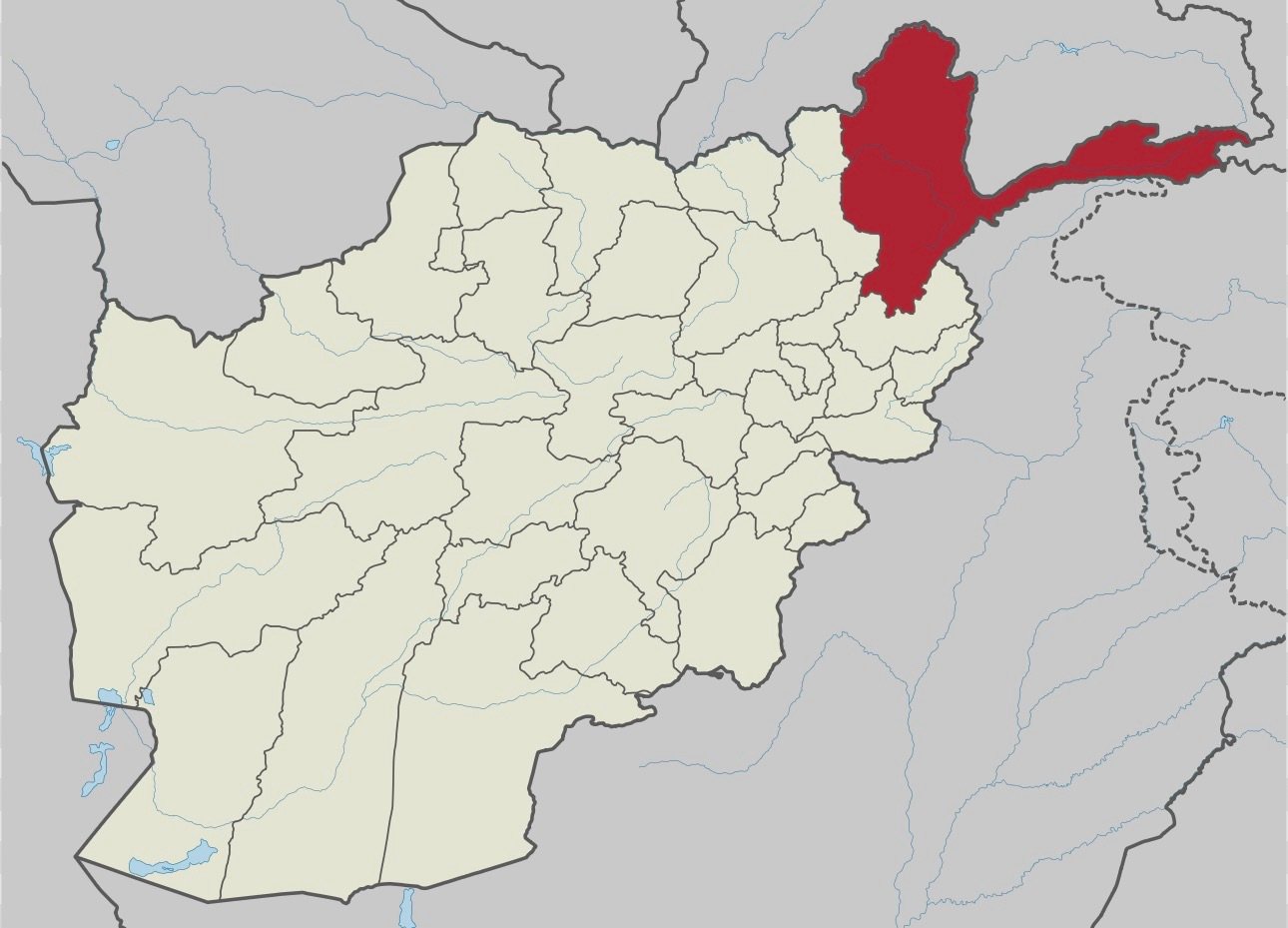
Hamdullah Fitrat, the deputy spokesperson for the Taliban administration, confirmed the influx in an official statement on June 14, noting that the vast majority of the returnees crossed over from Pakistan. According to the press release, the Torkham border crossing in Nangarhar province saw the highest volume, with 464 families totaling 2,438 individuals entering the country. An additional 44 families crossed through the Spin Boldak checkpoint in Kandahar province.
Simultaneously, the expulsion of undocumented Afghans from Iran continues unabated along the western frontier. Taliban officials reported that 21 families returned via the Islam Qala crossing in Herat province, while another 42 families were processed through southwestern Nimruz province.
The mass returns come at a time when Afghanistan’s domestic economy is severely fractured. Deported families face immediate, structural hardships upon arrival, including systemic poverty, skyrocketing unemployment, a critical shortage of adequate shelter, and severely restricted access to basic healthcare and education.
International aid agencies and United Nations bodies have repeatedly sounded the alarm over the regional deportation policies. Humanitarian observers warn that the sudden, compounding influx of thousands of vulnerable people places unsustainable pressure on Afghanistan’s already depleted resources. International monitors stress that without immediate, large-scale emergency intervention, these displaced families remain entirely unable to secure basic survival necessities.