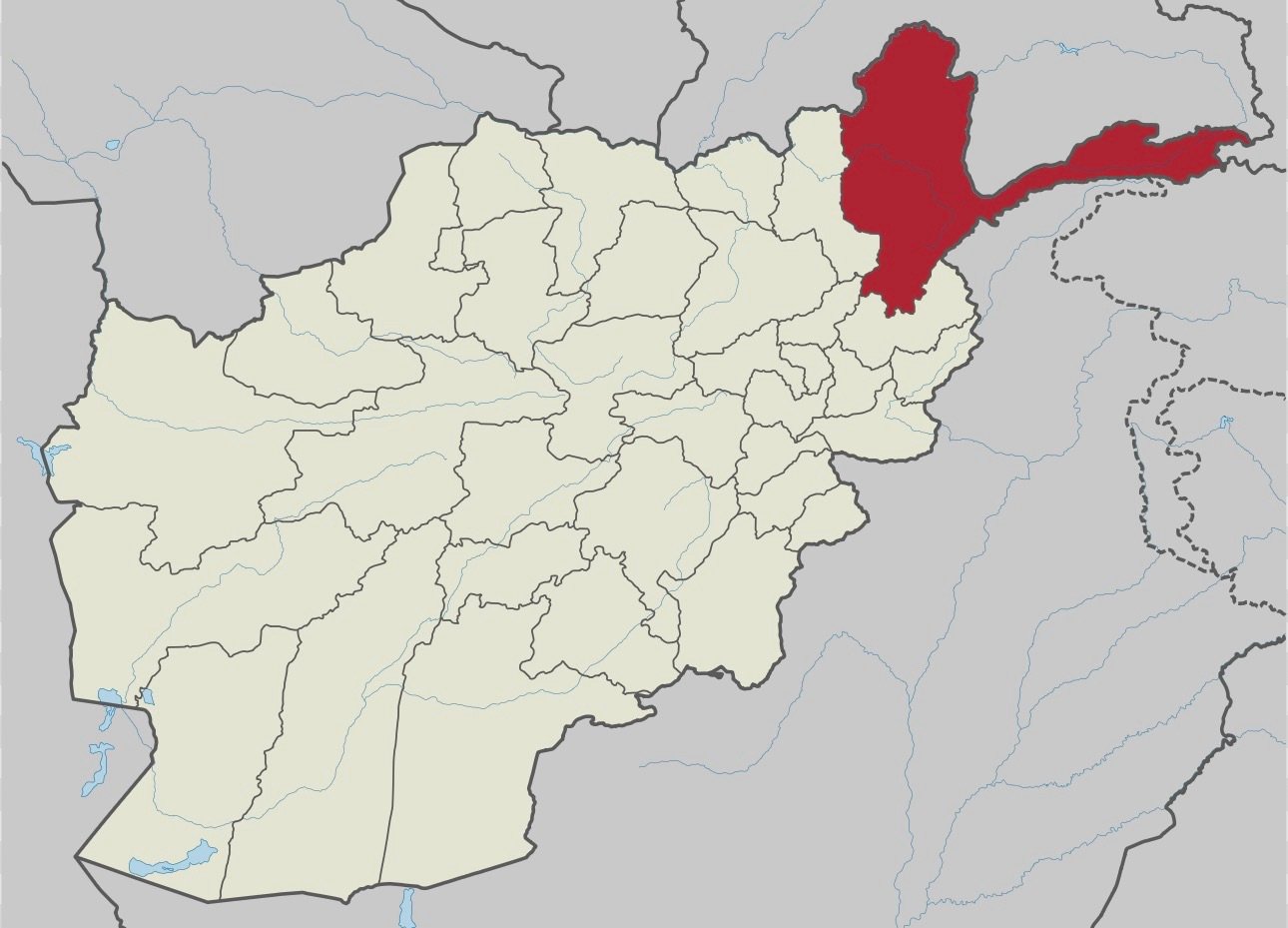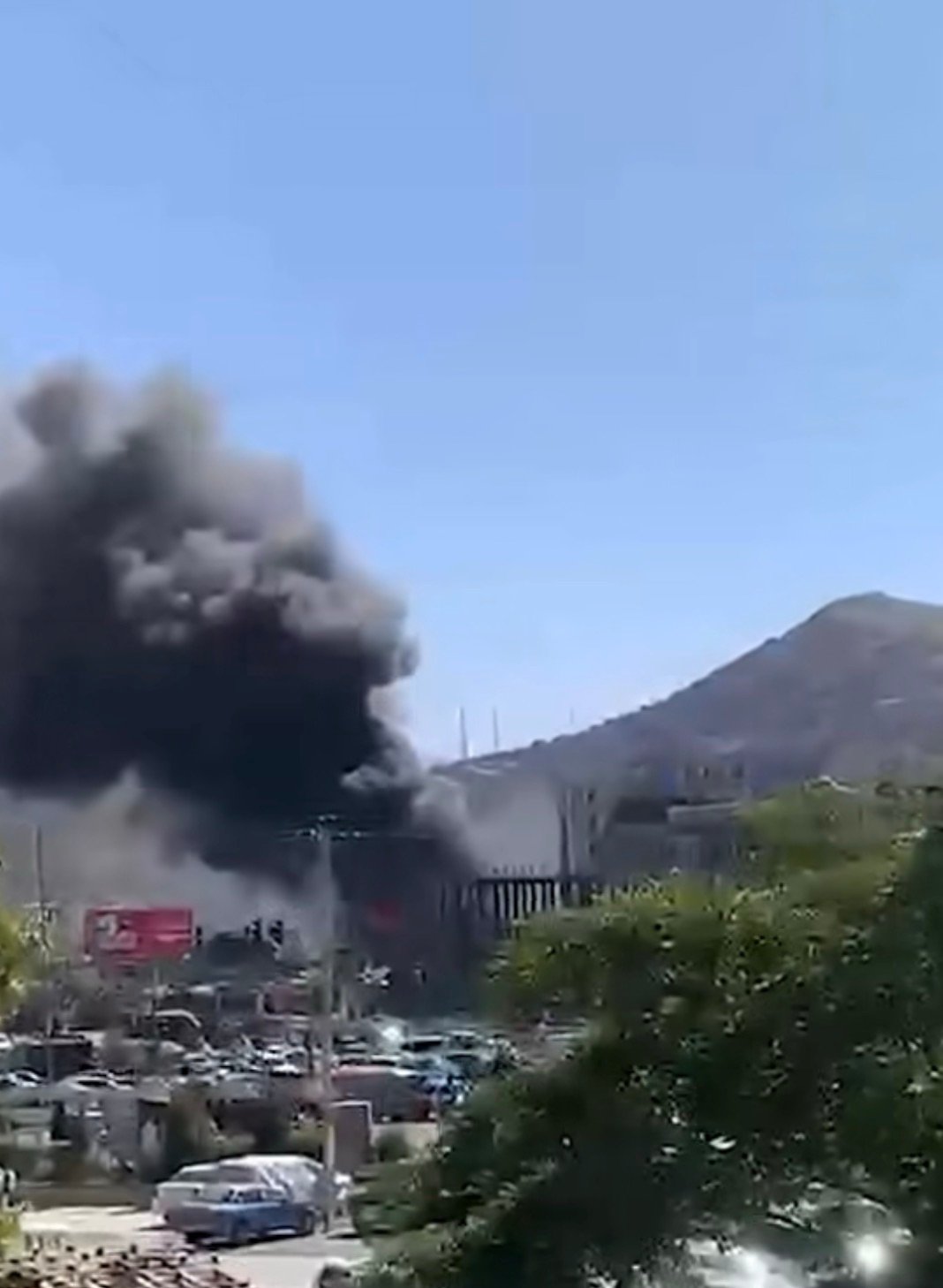
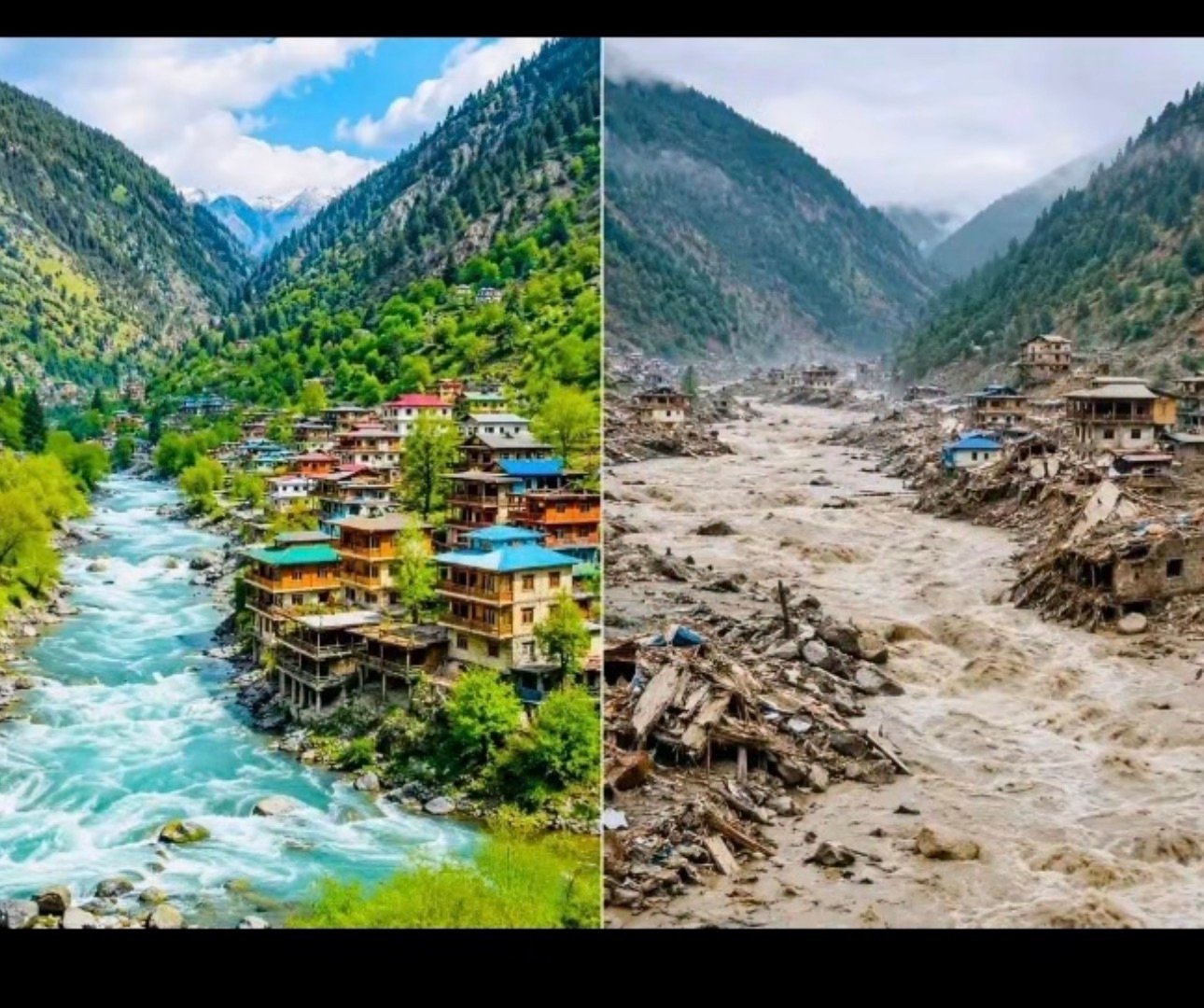
PARUN — Torrential monsoon-driven flash floods swept through eastern Afghanistan’s Nuristan province on Monday, July 20, 2026, leaving at least 23 people dead, more than 80 injured, and around 100 individuals unaccounted for. The sudden deluge wiped out entire neighborhoods, markets, and municipal infrastructure across the mountainous province.
The worst-hit area was Parun, the provincial capital, where powerful floodwaters destroyed homes, 70 commercial shops, and 11 hotels. Local officials confirmed that among those killed was the mayor of Parun, Sayed Ahmad Arhabi, whose office was situated along the riverbank. Local rescue operations have been severely hindered by heavy ongoing rainfall, ruined infrastructure, and a lack of proper emergency equipment, forcing residents to dig through heavy mud and boulders with their bare hands.
Preliminary estimates by local officials place immediate economic losses at $35 million. Disaster management agencies and environmental experts emphasize that this tragedy is part of a broader pattern of climate-driven disasters hitting South Asia. Decades of uncontrolled deforestation combined with intensified seasonal rainfall have drastically eroded the soil’s natural water absorption, turning routine seasonal monsoon rains into catastrophic surges. As search efforts continue into Tuesday, disaster officials warn that the death toll is expected to rise sharply as remote mountain communities remain isolated without immediate central aid.