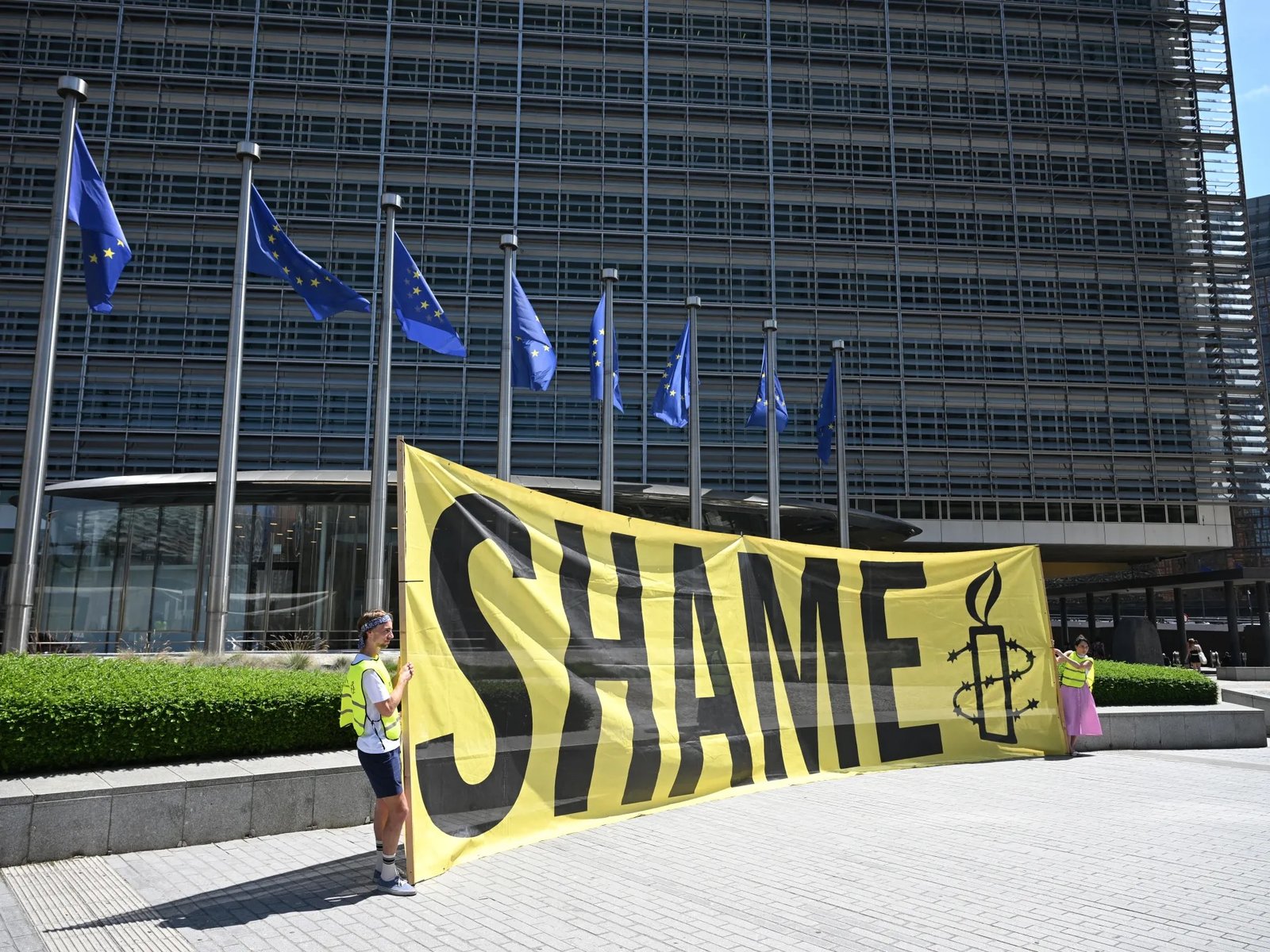
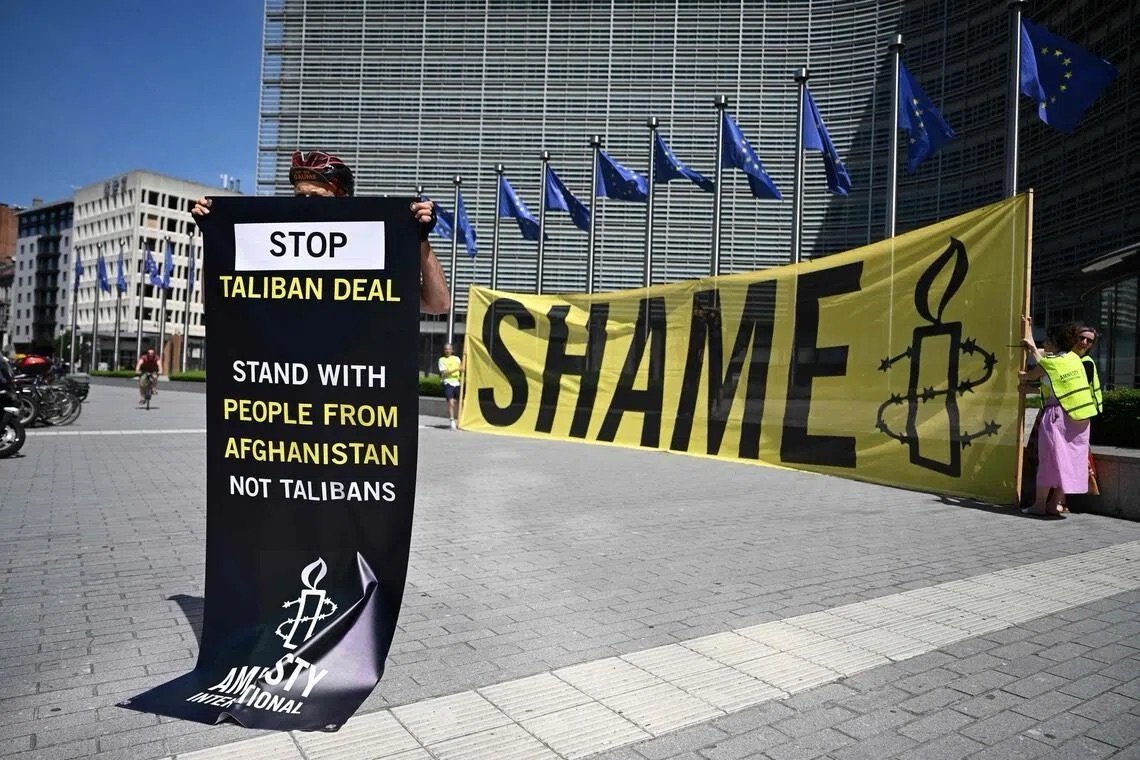
BRUSSELS — History is repeating itself in the corridors of Western diplomacy, this time under a European banner. The European Union’s decision to invite five-member Taliban delegation to Brussels marks a profound diplomatic shift that mirrors the controversial architecture of the 2020 US-Taliban Doha talks. While separated by six years and different primary agendas, both diplomatic engagements share a striking structural playbook: the sacrificing of long-term human rights obligations to secure short-term, transactional political objectives.
By analyzing the mechanics of both summits, a clear blueprint of normalization emerges, one that rights watchdogs warn treats the fundamental freedoms of the Afghan people and future of the country as disposable currency.
1. The Pretense of the “Technical” and “Narrow” Scope
The most striking similarity between Doha and Brussels lies in how Western powers attempt to frame the talks to lower public expectations and deflect domestic criticism.
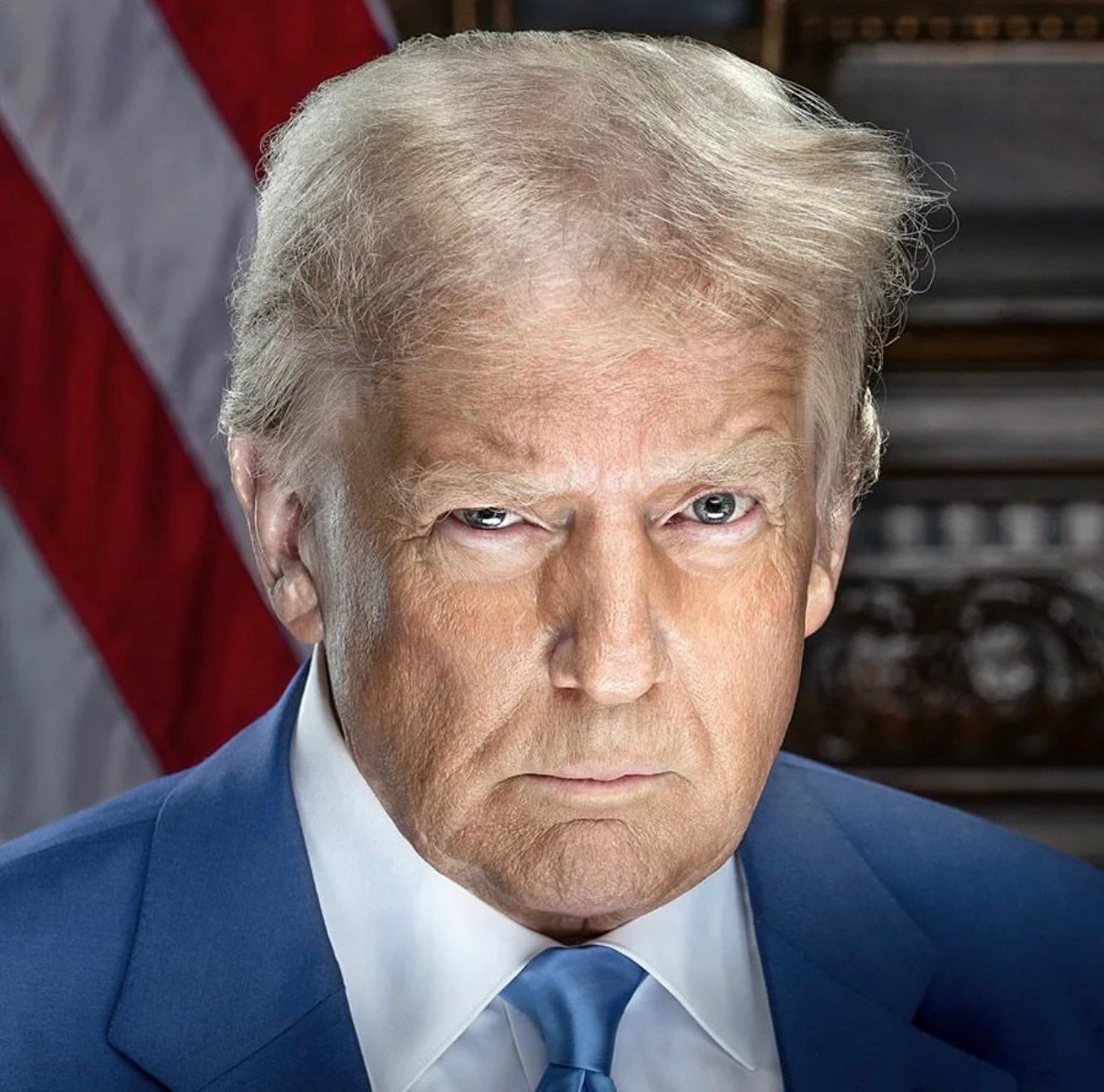
The Doha Playbook: The United States initially presented the Doha negotiations as a strictly narrow, military-to-militancy channel. The official mandate was simple: secure a safe extraction window for American troops and extract a basic counter-terrorism pledge from the Taliban. Washington repeatedly claimed these talks were “transactional” and did not amount to political endorsement.
The Brussels Re-run: Today, the European Commission utilizes the exact same semantic shield. Co-chaired by Commission services and Sweden, the Brussels meeting was explicitly labeled a “technical-level” session. The EU insists that hosting individuals like Taliban Foreign Ministry spokesperson Abdul Qahar Balkhi does not constitute formal recognition. Instead, they claim it is an unavoidable technical necessity to manage the logistics of deporting rejected Afghan asylum seekers and individuals deemed security risks.
In both cases, Western authorities used a specialized, narrow objective, troop withdrawal for the US, border enforcement for Europe, to bypass broader ethical and political accountability.
2. Sidelining the Victims: The Complete Exclusion of Afghan Voices
Both sets of talks are structurally defined by the absolute exclusion of the very people whose fates are being weighed by foreign diplomats.
During the years of negotiations in Qatar, the United States systematically sidelined the democratic Republic of Afghanistan, independent civil society, and women’s rights advocates from the primary table. This structural exclusion allowed the Taliban to dictate terms without facing pressure regarding their domestic human rights record.
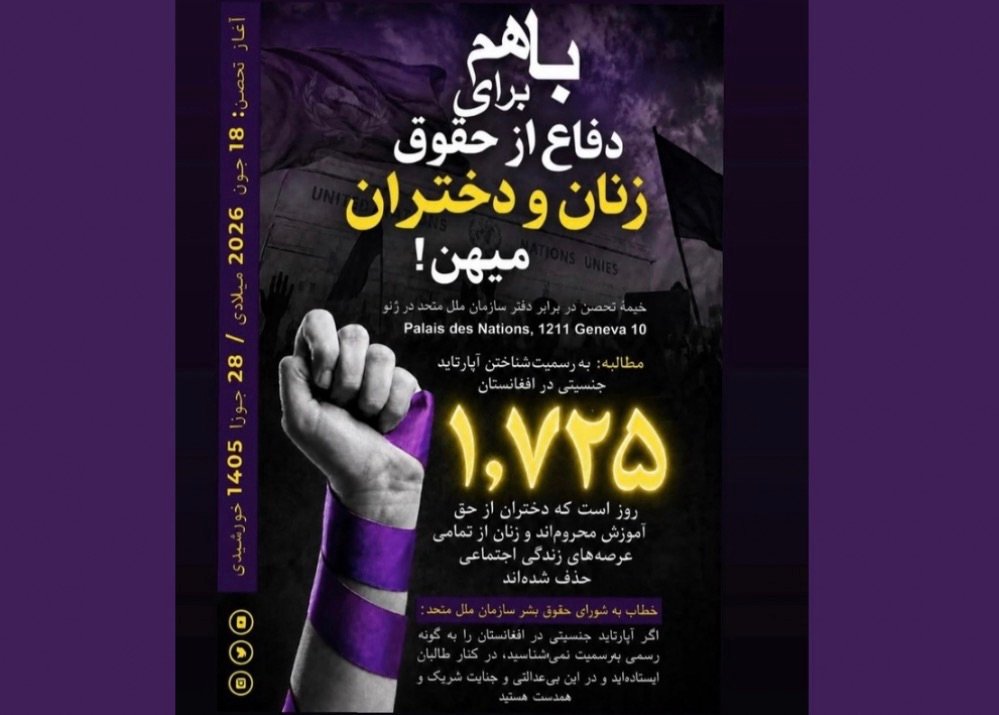
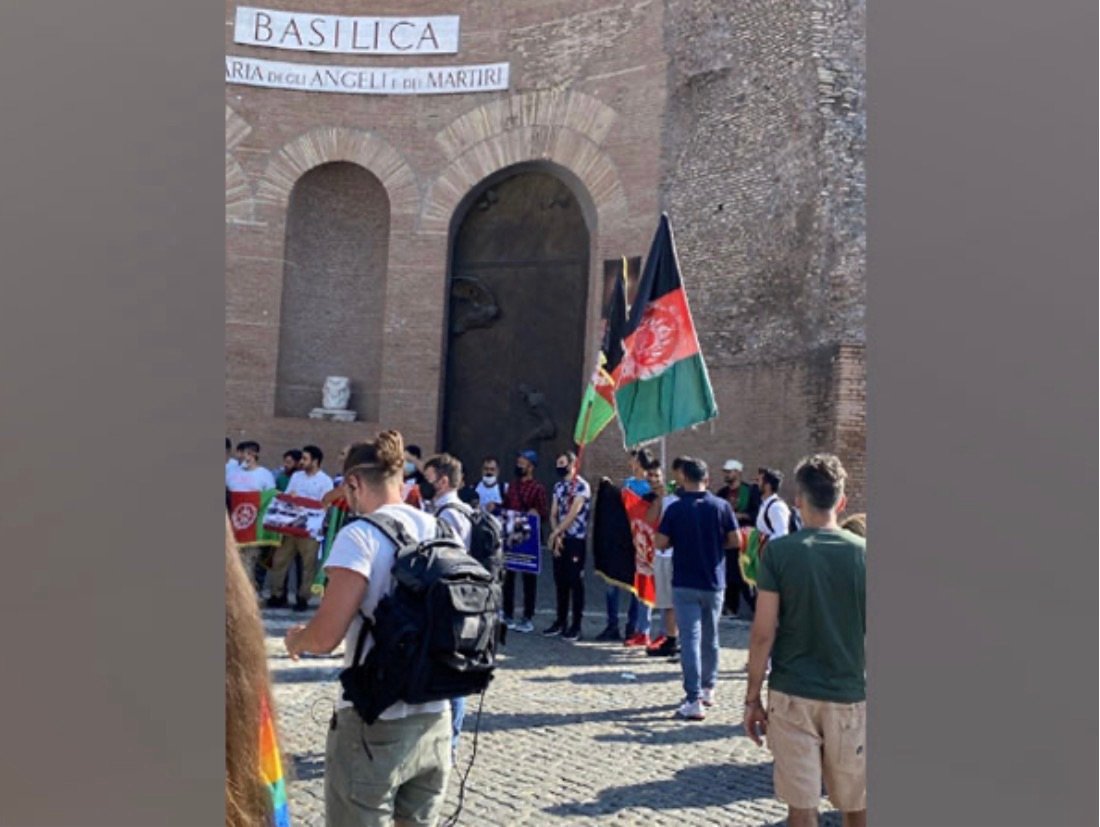
In June 2026, Europe enacted the identical exclusion zone. While consecutive European Parliament resolutions have fiercely condemned the Taliban’s systematic persecution of women as “gender apartheid,” no Afghan women, human rights defenders, or civil society representatives were allowed into the room. European lawmakers and human rights activists have pointed out the grotesque irony: the EU is actively holding closed-door sessions with a fundamentalist regime to return vulnerable people to a country where those same people face systematic erasure.
3. The Public Relations Trap: How the Taliban Exploits the Table
The greatest flaw shared by Doha and Brussels is the naive assumption that Western powers can control the narrative of the meeting.
Just as they did in Doha, Taliban officials immediately highjacked the Brussels visit to claim a historic diplomatic victory. While EU bureaucrats emphasize that the venue was kept secret and no senior politicians took part, Balkhi quickly released triumphant public statements on X. The regime explicitly used the trip to push past migration logistics, actively demanding the resumption of broad-range Taliban consular services across European capitals and advocating for “trust-building measures”.
By granting visas and hosting discussions on European soil, the EU has validated the Taliban’s long-term strategy: if a regime holds out long enough, Western democratic principles will eventually buckle under the weight of domestic political pressures.
4. Domestic Political Survival Trumps Human Rights Obligations
Ultimately, both Doha and Brussels demonstrate that when Western domestic politics collide with international human rights commitments, human rights lose.
The Doha Agreement was aggressively accelerated to satisfy an American electoral desire to end “forever wars,” regardless of the security vacuum left behind. Similarly, the Brussels summit is a direct reaction to a hardening European political landscape. Over 20 EU member states, facing immense pressure from anti-immigration sentiment and the rise of right-wing political factions, effectively forced the Commission to compromise its values.
By cooperating with perpetrators of crimes against humanity to streamline deportations, European states are following the exact path carved out by Washington in Doha: a retreat from moral responsibility disguised as diplomatic pragmatism.