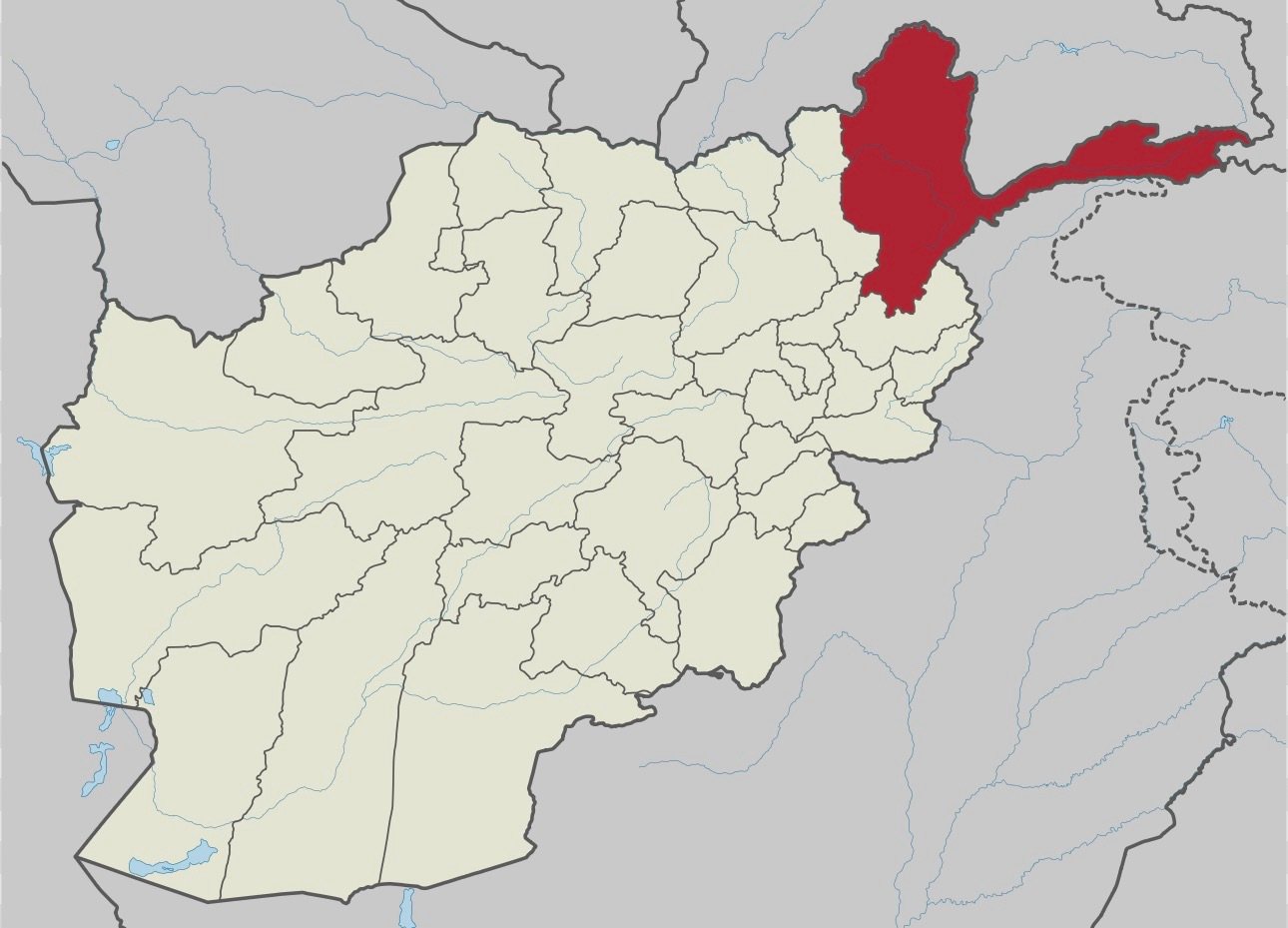
FAIZABAD — As the Taliban approaches the fifth anniversary of its return to power on August 15, the mountainous northeastern province of Badakhshan has become the country’s most active center of armed resistance, with a rapid succession of attacks, a brief district seizure, internal Taliban defections, and a growing weapons-smuggling dispute with Pakistan.
A New Militia Emerges
The current wave of unrest traces back to July 17, when fighters from a newly formed militia calling itself Sepahiyan-e Mihan, or the Homeland Soldiers Front, briefly stormed the center of Yaftal-e Payin district. Videos circulated showing the group disarming Taliban personnel and lowering the Taliban flag before reinforcements arrived hours later and restored control. Taliban officials acknowledged losing the district temporarily while downplaying its significance. Analysts have noted the district’s proximity to Faizabad, the provincial capital, as a factor in its strategic value.
Escalating Attacks Across Multiple Districts
Since that initial seizure, fighting has spread across Badakhshan’s districts. On July 23, fighters from the Afghanistan Freedom Front (AFF) attacked Taliban bases and units in Zebak district, reportedly killing 21 Taliban fighters and wounding 37 more, while losing one of their own. The AFF fighters reportedly seized ammunition, weapons and military equipment in the operation.
By early August, resistance groups were claiming attacks in additional districts including Yaftal, Argo and Kishm. On the night of August 6, Taliban positions in Argo district’s Daryakhana area came under rocket fire as a patrol passed through; no casualties have been confirmed and no group has claimed responsibility. Taliban forces reportedly detained three people afterward.
Researchers tracking the violence describe a shift from isolated incidents toward a more sustained pattern, persistent, adapting, and spreading geographically, that is forcing the Taliban to commit additional military and political resources to contain it, even though it poses no near-term threat to Taliban rule nationally.
Internal Taliban Strains
Alongside the external attacks, Badakhshan is also witnessing friction within Taliban ranks. Local commander Juma Khan Fateh, previously tasked with overseeing poppy cultivation in the province, was ordered by the Taliban in July to disarm roughly 350 loyal gunmen in Nusay and Shekay districts amid reported tension with the central leadership, tension that followed complaints from Tajikistan over his alleged involvement in cross-border heroin smuggling. Fateh had already been reassigned out of Badakhshan to a deputy governorship in Zabul province in March.
A Regional Dimension
The unrest has also drawn in Afghanistan’s neighbors. On August 9, Taliban officials said they had intercepted 74 light and heavy weapons being smuggled from Pakistan to support what they called “subversive and destabilizing activities” in the province, an allegation Islamabad has strongly denied. Tajikistan, which borders Badakhshan, has separately reported dozens of cross-border narcotics-smuggling clashes this year, underscoring the province’s role as a corridor for both militant and criminal activity.
Why Badakhshan
Analysts point to several factors that make Badakhshan uniquely difficult for the Taliban to control: its rugged, mountainous terrain; its distance from the movement’s southern power base; and its largely non-Pashtun, predominantly Tajik population, which has historically resisted centralized rule from Kabul. The province is also rich in gold, silver, lapis lazuli and other minerals, adding an economic dimension to the contest for control.
Independent verification remains difficult given limited press access to the region, and estimates of the resistance’s overall strength and cohesion vary. Most assessments agree that the various armed groups, including the National Resistance Front, the Afghanistan Freedom Front, and newer local formations like the Homeland Soldiers Front, remain largely uncoordinated, though some analysts see early signs of increased cooperation between them.
Outlook
With the fifth anniversary of Taliban rule falling on August 15, observers expect continued skirmishing in Badakhshan in the near term. Security analysts caution that while a unified resistance front capable of threatening Taliban control nationally remains unlikely in the near future, the sustained pressure in Badakhshan could force the Taliban to divert forces from other priorities, including its southeastern border with Pakistan.