BRUSSELS — The European Union hosted a five-member Taliban delegation in Brussels on Tuesday, marking the first time the de facto Afghan authorities have been received for official talks at the EU headquarters since seizing power in 2021. The high-stakes meeting has ignited a fierce backlash from human rights groups and international activists who warn that the engagement risks granting political legitimacy to an unrecognized regime.
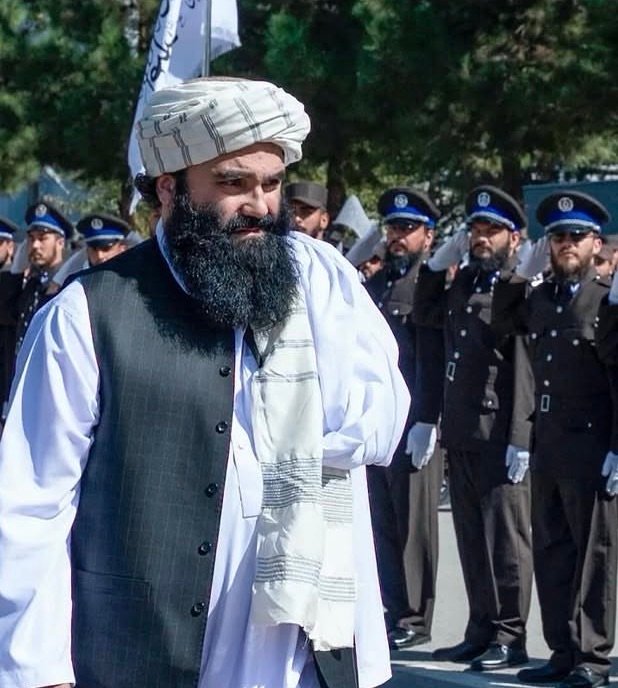
The talks were co-chaired by the European Commission and Sweden, with representatives from 15 EU member states in attendance. According to European officials, the closed-door discussions focused strictly on the “return and readmission” of Afghan nationals whose asylum applications have been rejected or who are deemed public security threats. To facilitate the travel, Belgium granted the delegation, led by Taliban Foreign Ministry spokesperson Abdul Qahar Balkhi, special one-day visas restricted entirely to Belgian territory.
While European authorities strongly emphasized that the meeting does not constitute diplomatic recognition of the Taliban administration, the delegation in Kabul framed the visit as a historic breakthrough. Balkhi stated that the discussions extended beyond deportations to cover the potential restoration of Afghan consular services across Europe and necessary “trust-building measures”.
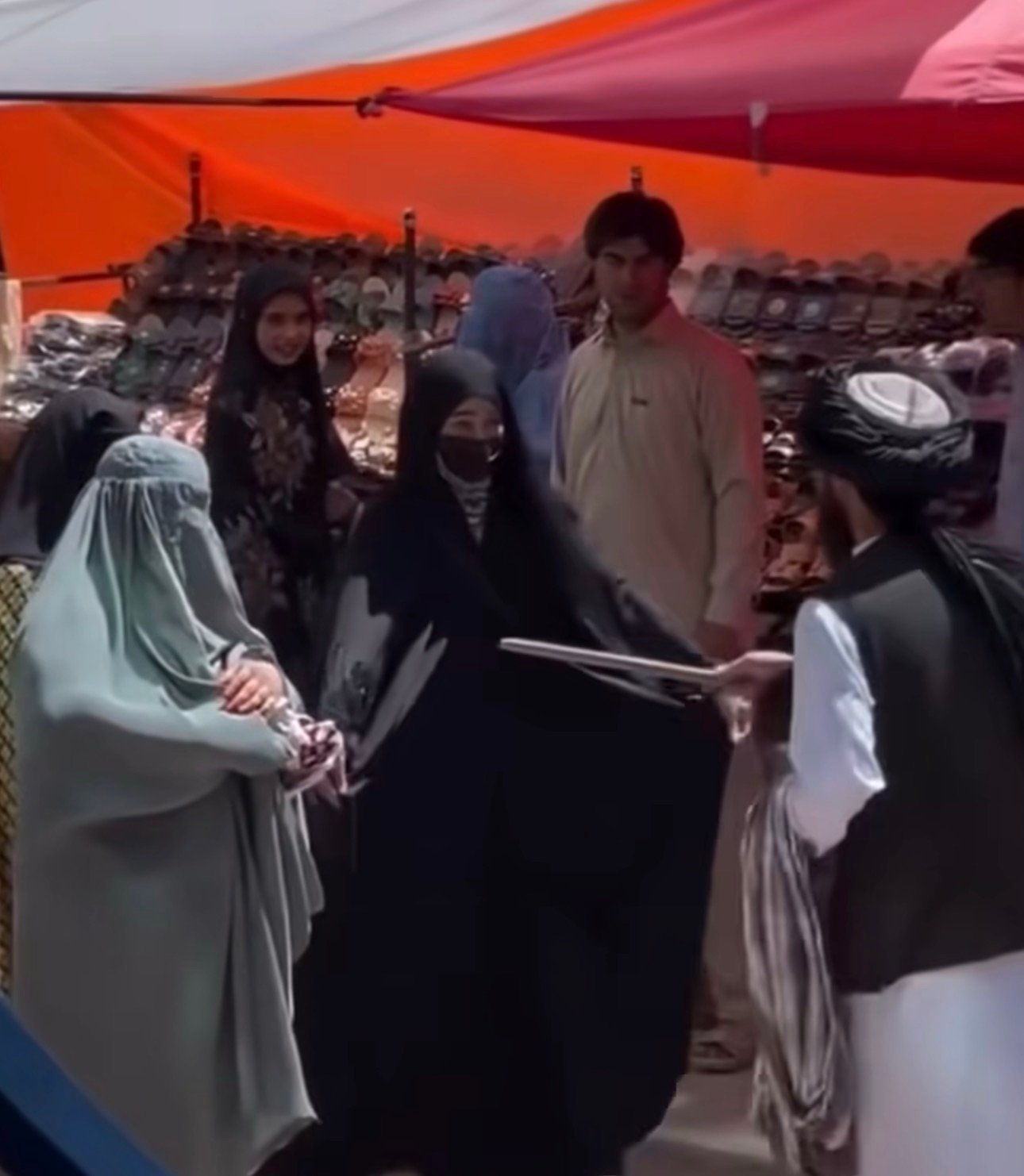
The diplomatic outreach has drawn sharp condemnation across Europe. Rights advocates, including researchers from Human Rights Watch and Amnesty International, criticized the EU for crossing its own red lines, pointing out the hypocrisy of condemning the Taliban’s severe gender persecution while simultaneously cooperating with them to forcibly return vulnerable individuals to a dangerous environment. Nobel Peace Prize laureate Malala Yousafzai also voiced deep alarm, stating that Europe must not legitimize a regime responsible for one of the worst human rights crises in the modern world.