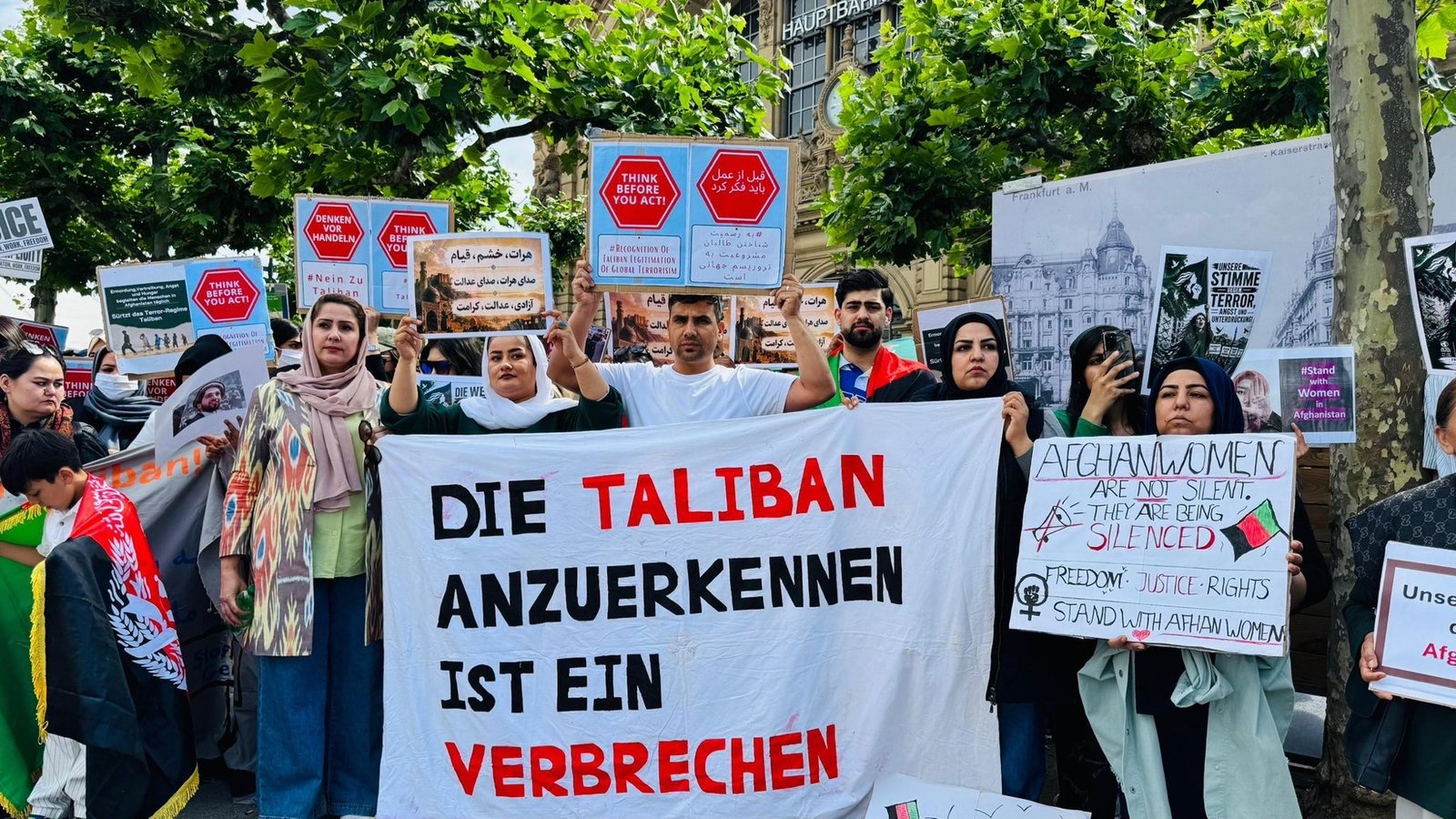
Members of the Afghan diaspora have launched a coordinated wave of international protests spanning major Western cities, condemning an escalating dress-code crackdown by the Taliban in Western Afghanistan and warning European nations against normalizing relations with the regime in Kabul.
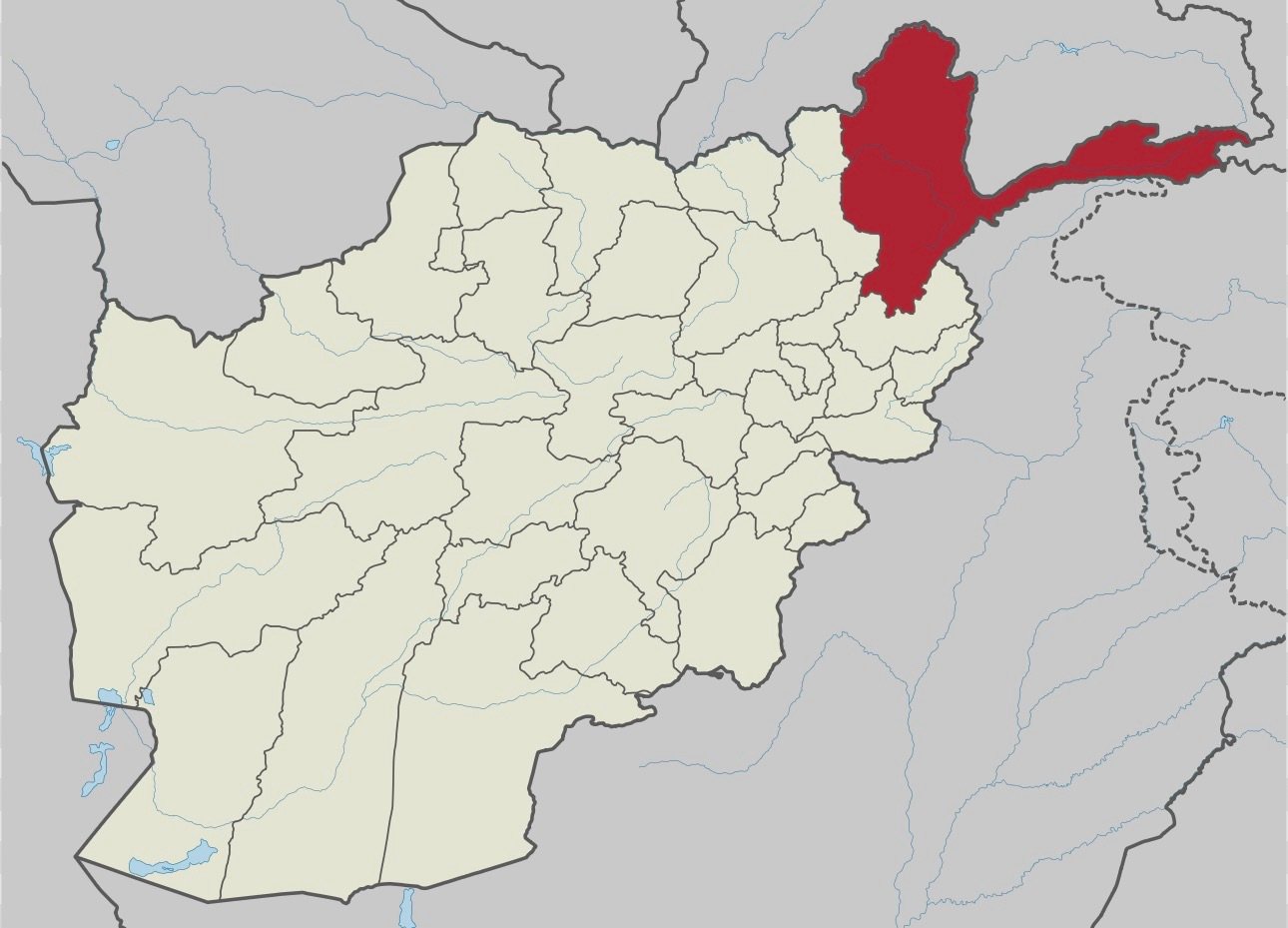
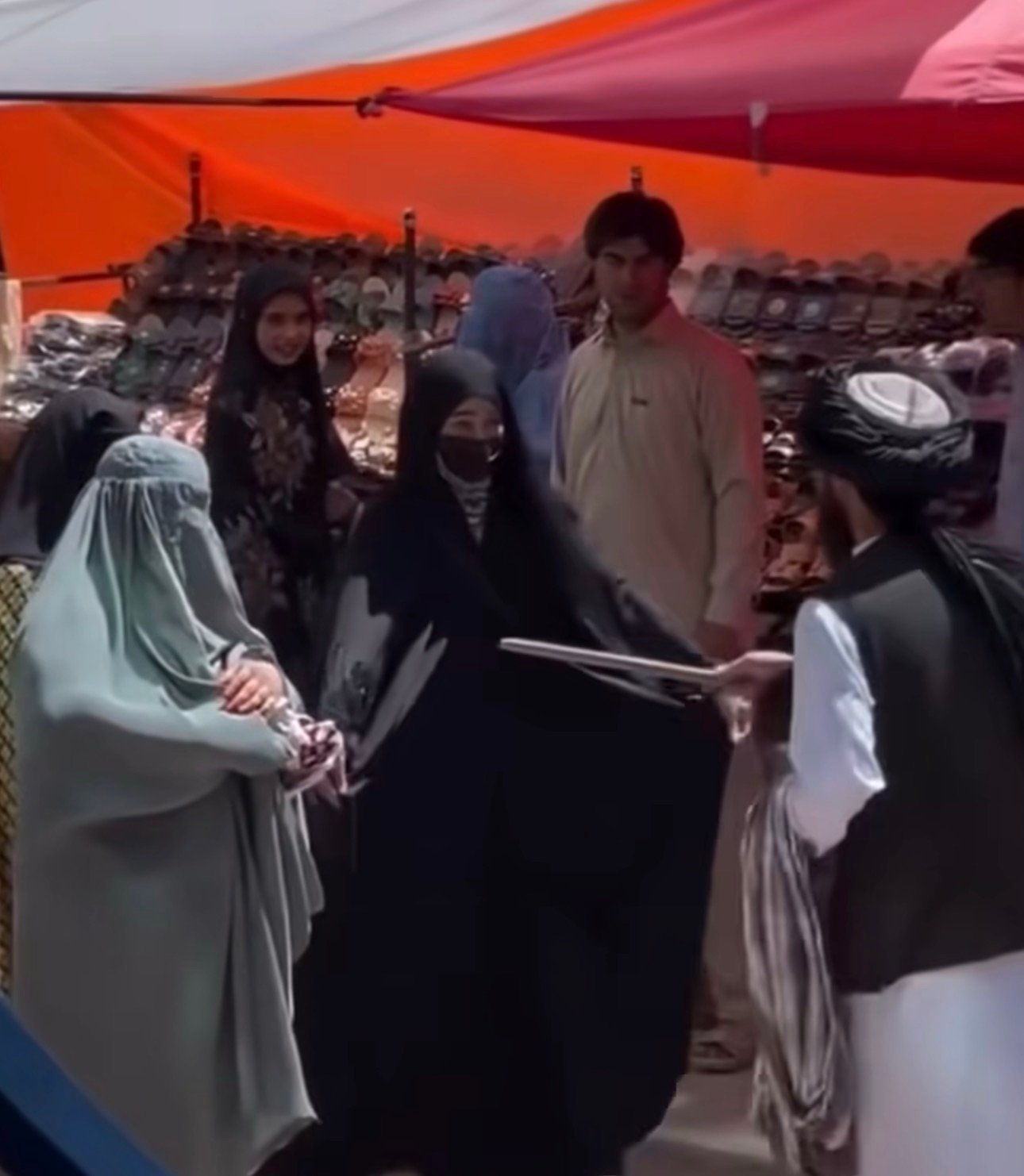
The global demonstrations, staged over the weekend in major cities such as Paris, Toronto, and Berlin, were triggered by reports of mass arbitrary detentions of women and girls in Herat by the Taliban’s Ministry for the Promotion of Virtue and Prevention of Vice. According to the United Nations and human rights monitoring groups, at least 30 women were arbitrarily detained in Herat for alleged “non-compliance” with strict dress-code edicts. The enforcement actions sparked local street protests on June 9 in Herat’s predominantly Hazara neighborhood of Jibrail, which Taliban security forces violently suppressed by opening fire on crowds, killing an 11-year-old boy and injuring several others.
In a unified declaration echoed across rally sites, diaspora organizers categorized the regime’s actions as a structural mechanism of “gender apartheid.”
“What is unfolding in Afghanistan is not merely a set of social restrictions, but an institutionalized system built on repression, terror, and the systematic erasure of women from public life,” stated protesters in Paris. Protesters marched chanting the frontline slogan, “Education, Work, Freedom.”
The international rallies arrive at a moment of acute diplomatic tension. The European Union is currently preparing to host a senior Taliban delegation, led by Foreign Ministry spokesman Abdul Qahar Balkhi, in Brussels for “technical talks” concerning refugee repatriation. The upcoming meetings have drawn fierce condemnation from over 80 international rights organizations and members of the European Parliament, who argue that welcoming Taliban officials onto European soil implicitly normalizes crimes against humanity.
The diaspora coalitions have issued formal appeals to the United Nations, the European Union, and individual host governments to completely halt diplomatic engagement with the Taliban. Their demands include binding international mechanisms to enforce accountability for gender-based persecution, immediate intervention to secure the release of detained women in Herat, and strict compliance with the principle of non-refoulement to prevent the forced deportation of Afghan asylum seekers back to a regime committing systematic human rights abuses.